Case study · Seoul Foreign School

Trusted adults in a high-stakes culture

In a demanding academic environment, how SFS made sure every student had an adult who knew them.

Read the story ↓
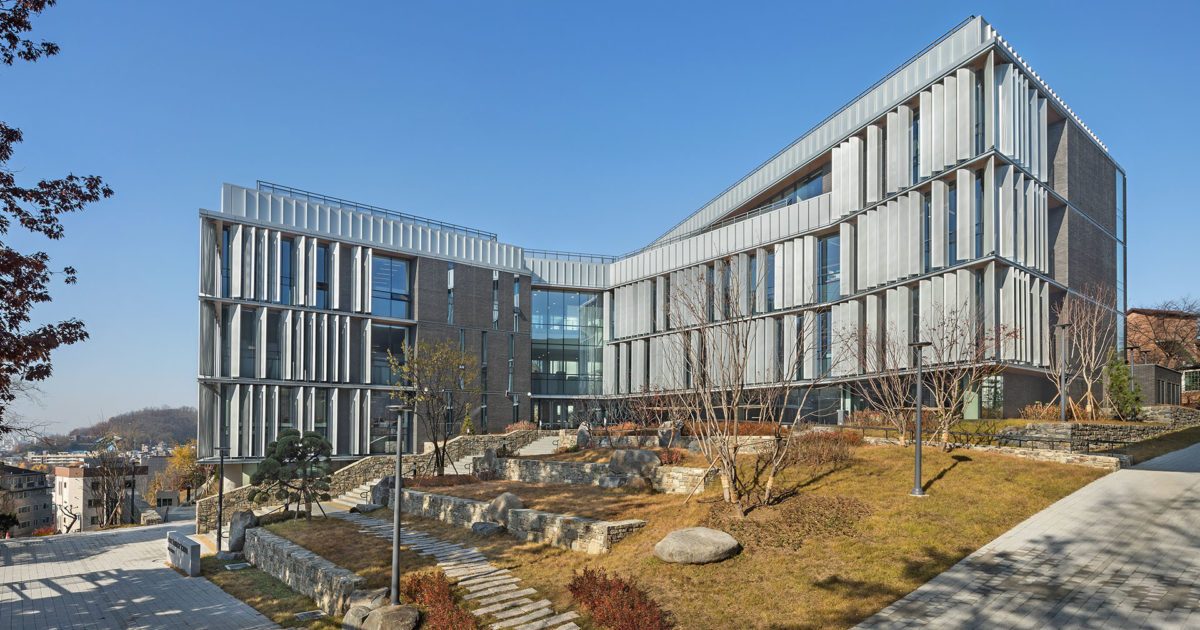
[ School-approved photo — Seoul Foreign School ]
Seoul Foreign School campus
Representative campus image. Swap for an approved SFS photo before publish.

“Mario is proactive and preventative. It helps us identify what’s going on before it becomes a crisis.”

Caroline Scott, Counselor — Seoul Foreign School

Read the full story

See what Seoul Foreign School did — and what changed.

  • The challenge they started with
  • How they put MARIO into practice
  • The results, in their own words

🔒 We’ll only use this to follow up about MARIO. School-owned data, always.

The challenge

High academic expectations can hide real stress. The students who seem to “have it all together” are often the ones carrying the most — and in a large, busy school, it’s easy for a quiet struggle to go unnoticed until it becomes urgent.

SFS wanted every student to have a trusted adult who knew them, and a way to surface concerns early enough to act.

What they did

One connected approach, centered on the 1:1 conversation

1
Students check in — Regular check-ins gave students a consistent, private way to share how they were really doing, including around safety.
2
Teachers see what matters — Staff and counselors could spot signals early and follow up before a concern escalated.
3
Professional learning builds the habit — Structured 1:1 conversations became routine for every student, not just a few.
4
Leaders see the patterns — Leadership gained an earlier, clearer read on student wellbeing across the school.

“Mario normalizes structured one-to-one conversations with every student — not just the ones teachers naturally connect with.”

Caroline Scott, Counselor — Seoul Foreign School

The results

0.91
Cohen’s d across MARIO schools (NASEN) — top 5% of interventions
Earlier
concerns surfaced before they became a crisis
Every
student in a consistent 1:1 rhythm

Across MARIO schools, a NASEN-published study found the MARIO Approach had a Cohen’s d of 0.91, placing it in the top 5% of educational interventions.

“It shifts school culture so students feel seen, and teachers recognize wellbeing matters for academic success,” said counselor Caroline Scott.

One student put it simply: “I was bullied last year online and MARIO helped me talk about it with the counselor — and I’m not bullied anymore.”

Every school is different.
Let’s explore how MARIO can support yours.

A short conversation is the fastest way to see whether MARIO is right for your school.

Book a Conversation