Case study · International School Bangkok

A culture of belonging

How ISB made advisory time purposeful — using data and 1:1 conversations to help every student feel known.

Read the story ↓
[ School-approved photo — International School Bangkok ]
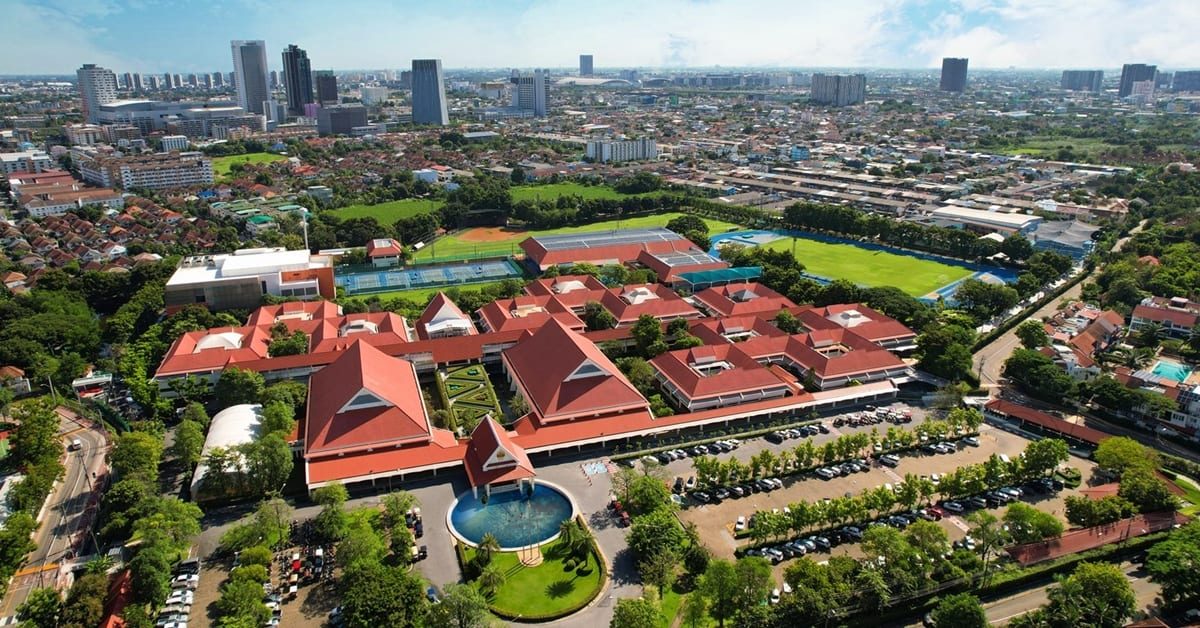
International School Bangkok campus
Representative campus image. Swap for an approved ISB photo before publish.

“Now when there’s a red or yellow flag, the counselor is the one who gets it, and we follow up with that student in real time.”

Jackie Valenzuela, Head of Counseling — International School Bangkok

Read the full story

See what International School Bangkok did — and what changed.

  • The challenge they started with
  • How they put MARIO into practice
  • The results, in their own words

🔒 We’ll only use this to follow up about MARIO. School-owned data, always.

The challenge

Before MARIO, significant numbers of ISB high schoolers didn’t feel a sense of connection at school. In 2014, only 56% reported feeling successful and 59% said teachers cared about their feelings. The advisory program that followed felt overstuffed with rigid SEL lessons.

“To make an advisory work in the high school is not easy because kids at that point are so jaded,” said Jackie Valenzuela, Head of Counseling. “They just didn’t want it, and teachers didn’t necessarily want to be an advisor either.” As Dean of Students Andy Vaughan put it: “It was too cookie cutter, and teachers didn’t like it either.”

What they did

One connected approach, centered on the 1:1 conversation

1
Students check in — Students complete MARIO online check-ins every other week, giving timely insight in place of twice-a-semester surveys.
2
Teachers see what matters — Flags route to the right adult in real time, so follow-up happens while it matters.
3
Professional learning builds the habit — Twice-weekly advisory pairs focused SEL with community-building and 1:1 MARIO conversations.
4
Leaders see the patterns — Counselors gained time to dig deeper on Tier 2 and Tier 3 needs as advisors caught more low-level concerns.

“It just feels like more of a partnership with the teachers… it’s part of our culture now.”

Jackie Valenzuela, Head of Counseling — International School Bangkok

The results

30%
gain in overall student wellbeing metrics
94%
of students say their teachers know them well
Earlier
detection of low-level concerns, in real time

Across MARIO schools, a NASEN-published study found the MARIO Approach had a Cohen’s d of 0.91, placing it in the top 5% of educational interventions.

“The number of kids that I have seen and intervened with because of a MARIO flag or a teacher’s concern from a one-to-one conversation — absolutely it’s had an impact,” said Valenzuela.

“All students feel like their teachers care for them — something not every school can say,” added Learning Support teacher Rebecca Lebel.

Every school is different.
Let’s explore how MARIO can support yours.

A short conversation is the fastest way to see whether MARIO is right for your school.

Book a Conversation